
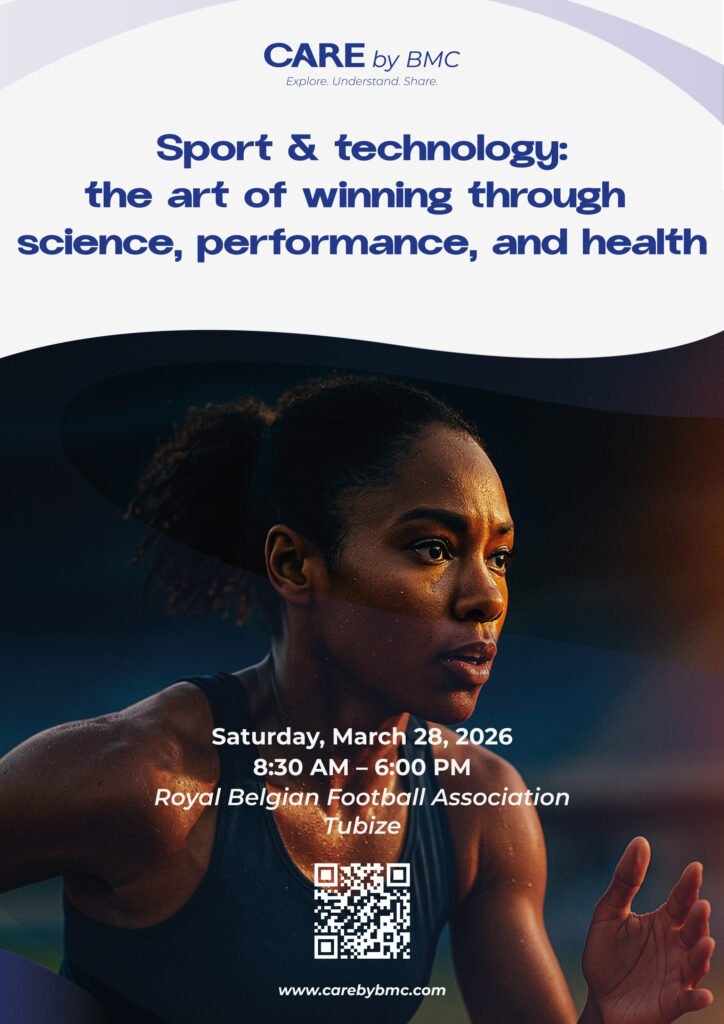










Sport & technology:
the art of winning through science, performance, and health

*This event is accredited for physiotherapists for a total of 12 continuing professional development (CPD) credits and is currently undergoing accreditation for physicians.

The conference

CARE by BMC 2026, taking place on March 28, 2026, in Tubize, aims to shape a new culture of performance by combining scientific rigor, technological innovation, and a human-centered approach.

The event establishes itself as the place where the future of sport and health is tested, bringing together those who think, create, and practice performance differently.

CARE by BMC is not just a series of talks.

The March 28, 2026 program is designed as an immersive, curated, and dynamic experience, built to generate real impact.

Each session is part of a broader approach of sharing and openness: exchanging cutting-edge knowledge, stimulating reflection, crossing disciplines, and highlighting innovative approaches with high potential for application in sport and health.

👉 Expert talks, led by international specialists from research, elite practice, and medical innovation.

👉 Real-world case studies, showing how technologies are concretely integrated into performance, recovery, prevention, and care.

👉 Technological demonstrations and presentations, allowing participants to see, test, and experience some of the world’s most advanced solutions.

👉 Each 30-minute talk will be followed by 10 minutes of discussion, providing a real space for dialogue between speakers and participants.

Networking and discussion times are also planned to foster high-value connections among professionals, clinicians, project leaders, and innovators.

On March 28th, 2026, connect with a dynamic, interdisciplinary, and internationally recognized community:

  • Physicians, sports doctors, physiotherapists, trainers, and sports coaches
  • Sport-tech start-ups and innovative companies
  • Healthcare institutions and sports facilities
  • Executives, public decision-makers, and innovation leaders
  • Elite athletes and passionate amateurs

Program highlights

10 internationally renowned speakers

Applied case studies drawn from elite sport and real-world practice

4 networking sessions designed to foster high-value connections

Cutting-edge technologies to explore and experience

A targeted and engaged audience, B2B and B2C, seeking concrete and inspiring solutions

Speakers

Program

The technologies revolutionizing performance and health are anything but accidental.

They are the result of a convergence of science, practice, and innovation — years of field experience, solid scientific data, and shared clinical expertise, all united by a single ambition: to transform practices sustainably.

This diversity of knowledge, disciplines, and perspectives will be embodied by the speakers of CARE by BMC 2026, throughout a day of talks, demonstrations, and inspiring exchanges.

Chronic stress is a major factor disrupting sleep, leading to reduced quality and duration of nocturnal rest. Yet sleep plays a central role in cellular repair mechanisms, memory consolidation, and hormonal regulation. Persistent disturbances in this process promote the accumulation of free radicals and amplify inflammatory responses. These biological imbalances accelerate cellular aging, notably through telomere shortening and reduced efficiency of DNA repair systems.

Moreover, insufficient sleep alters the secretion of melatonin, a key hormone of the circadian clock whose antioxidant and immunomodulatory properties are essential. The interaction between stress, impaired sleep, and aging thus forms a vicious cycle detrimental to the organism.

Research shows that stress management and improved sleep hygiene can slow certain biological markers of aging. These preventive strategies may contribute not only to better overall health, but also to increased longevity.

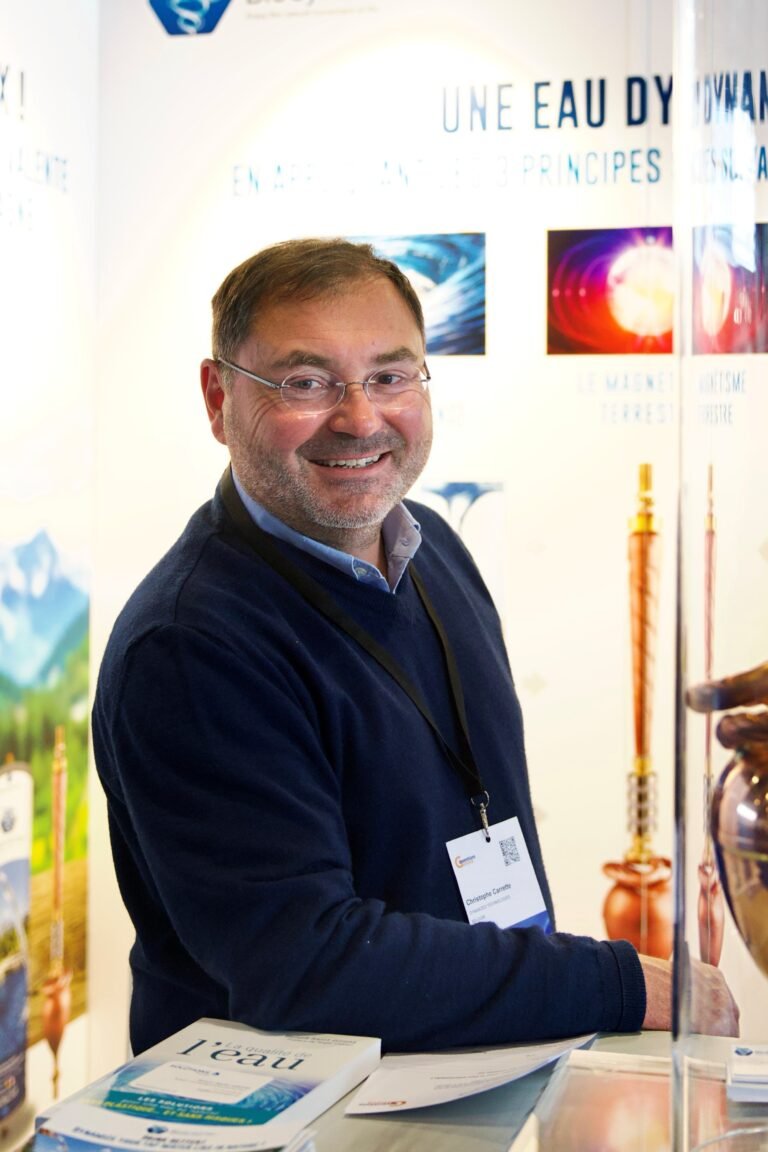
Christophe-Hausswirth

Christophe HAUSSWIRTH – CEO of BeScored, a scientific expertise centre specialising in product validation and the assessment of their benefits, particularly in the fields of sport and health.

Mental health is a key determinant of both performance and well-being, yet it is still too often underestimated and mainly assessed through subjective questionnaires. The MASAK (Mental and Stress Assessment Kit) introduces a radically different approach, combining psychophysiological and cognitive measurements powered by advanced technologies. In less than 20 minutes, it assesses physical condition (fitness, pain), mental state (mental fatigue, cognitive performance, stress levels), and sleep quality. This makes it a unique tool for helping athletes and professionals to achieve optimal performance and well-being. This presentation will outline the principles, applications, and user feedback related to this innovation at the intersection of sport, health, and well-being.

Alexandre-Coste

Alexandre Coste – PhD in Human Movement Sciences and Head of Technological Development for MASAK (Mental And Stress Assessment Kit)

Artificial intelligence is now applied at different stages of orthopedic surgery. For diagnosis and surgical planning of the shoulder, the MyShoulder 3D Medacta solution uses CT scans to create a 3D reconstruction of the joint and simulate the positioning of future implants. This technology enables the design of patient-specific guides, improves surgical precision, allows virtual adjustment of implant placement, helps anticipate potential conflicts, and predicts mobility as well as postoperative performance.

In knee replacement surgery, the robotic assistant ROSA provides real-time feedback through optical trackers, including implant positioning, ligament tension, alignment, and range of motion. This information makes it possible to adjust bone cuts and prosthesis placement with an accuracy of less than 1 mm. Patients benefit from faster recovery and reduced postoperative pain.

Finally, during rehabilitation, the EXER Health application requires no sensors, only a smartphone camera. It identifies key body points, accurately measures amplitudes and repetitions, and corrects exercise execution through visual feedback. It also allows remote monitoring by the healthcare provider, with daily reminders and motivating encouragement.

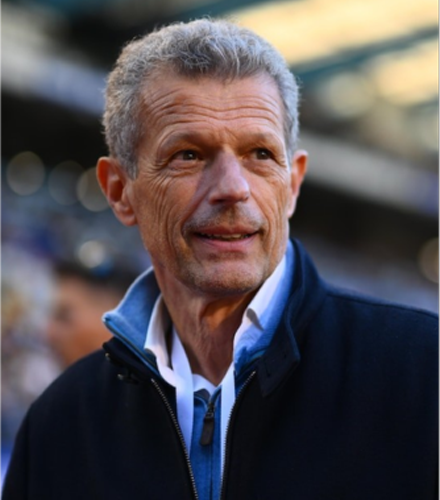
Dunca

Dr. Ioan Dunca – Orthopaedic surgeon specialised in shoulder and knee surgery

This presentation introduces a neuromotor and dynamic approach to posture based on orthokinesic principles. Far from being a fixed ideal, posture is viewed as a living, adaptive strategy unique to each individual. The body does not seek symmetry or aesthetics—it organizes itself according to motor preferences, structural constraints, and functional capacities. Some segments may passively endure imbalances (submissive), while others actively compensate to maintain apparent stability. Segmental analysis helps distinguish these coexisting components within what often appears as a single postural expression. Using dynamic OPS assessments, this approach reveals what posture protects, rather than what needs to be “corrected.” A functional and systemic vision serving rehabilitation, performance, and preventive care.

Christophe Otte – Founder of the International Academy of Orthokinesiology and of the OPS Clinic

L’intégration et l’évolution de la technologie dans le sport ont transformé le paysage des praticiens en médecine du sport travaillant dans l’environnement de la performance en football.

Aujourd’hui, au sein d’un club ou d’une équipe, les technologies, les bases de données de valeurs normatives et les études multicentriques à grande échelle offrent un vaste ensemble de données aux cliniciens et à l’équipe pluridisciplinaire (MDT), avec le risque de tomber dans un modèle « piloté par les données » pour la prévention des blessures, la rééducation, le retour au jeu et la performance.

Malgré ces avancées, il reste essentiel pour les cliniciens de cultiver et d’exercer leur expertise dans l’interprétation de l’examen clinique et du raisonnement médical, tout en prenant en compte les facteurs contextuels complexes et multifactoriels, afin d’identifier les réponses, les besoins et les risques individuels des joueurs que la technologie ne peut pas totalement appréhender.

Cette présentation explorera le rôle évolutif de la technologie en médecine du sport et soulignera l’importance du raisonnement clinique et de la prise de décision pour maintenir une approche contextualisée et centrée sur le joueur.

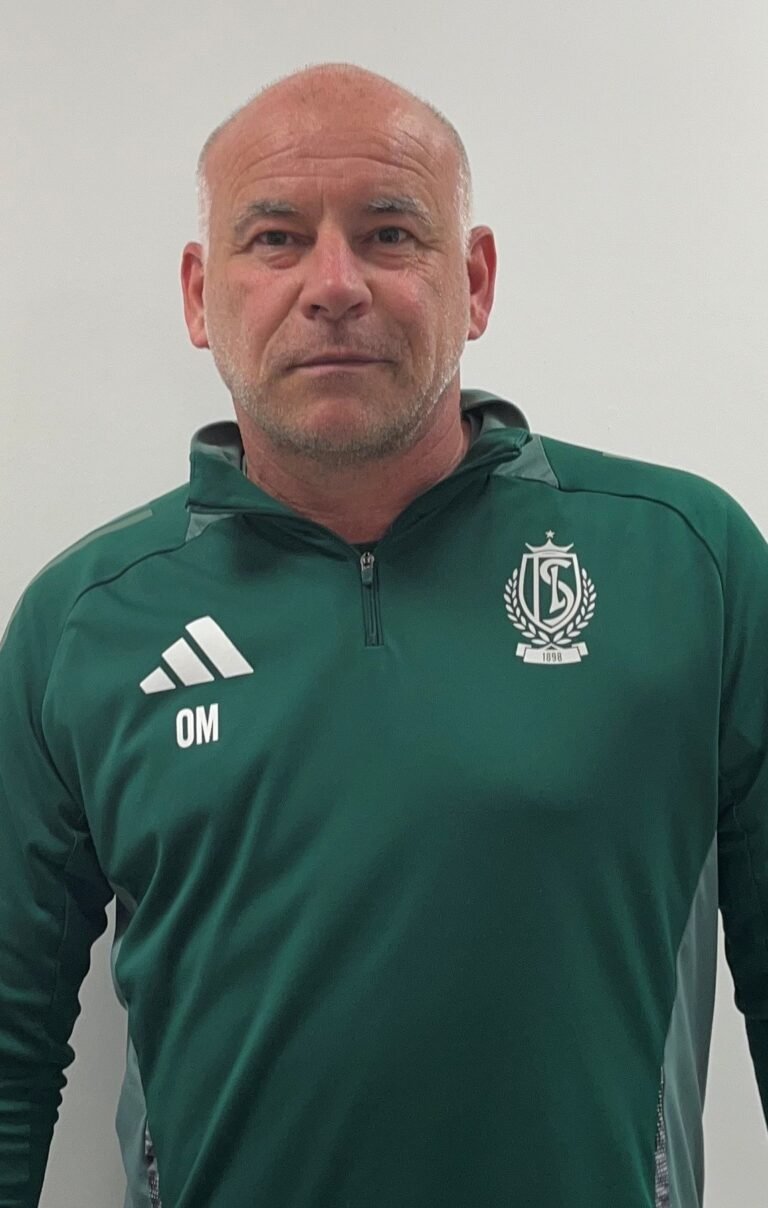
olivier.M2

Dr Olivier Materne Responsable de la physiothérapie, Standard de Liège

Optimizing athletic performance no longer depends solely on physical strength or endurance, but on a deep understanding of the interactions between body and brain. Recent research shows that alpha waves – linked to focus, mental recovery, and the state of flow – play a decisive role in an athlete’s ability to access resources at critical moments. At the same time, fascia, once thought to be just tissue wrapping, is now seen as a vital sensory and mechanical network for mobility, coordination, and injury prevention.

In this talk, Jacques Borlée will explore how synchronizing alpha waves and releasing fascia can be integrated into modern training methods. Drawing on his unique experience as a high-level coach, he will demonstrate how these combined approaches pave the way for more holistic, sustainable, and effective preparation—where mind and body are no longer separated but work in true synergy.

Jacque Borlee
Jacques Borlée – Coach and trainer, creator of the Boost by Borlée programme
From a physiological standpoint, training enhances and optimizes an athlete’s physical capacities. Proper adaptation to a training load inevitably involves a phase of “disruption” of the body’s biological equilibrium. Training is therefore inseparable from fatigue, a normal physiological phenomenon in everyday practice. However, this fatigue must be identified, analysed, and linked to appropriate recovery periods, combined with practical recovery modalities that match the training load. It is essential to detect and understand the signs of fatigue and to associate them—early and consistently—with dedicated recovery phases. This appears to be an absolute requirement for achieving performance and for being able to reproduce it repeatedly. Athlete recovery thus lies at the heart of the coach’s concerns. Coaches must now consider the various existing recovery strategies, understand their effects, and program them as closely as possible in alignment with their athletes’ training loads.
Christophe-Hausswirth

Christophe HAUSSWIRTH – CEO of BeScored, a scientific expertise centre specialising in product validation and the assessment of their benefits, particularly in the fields of sport and health

This intervention is intended first and foremost as a testimonial. It is based on my personal experience as a coach working with two international-level athletes, both Belgian record holders and national champions in their respective disciplines: Chloé Herbiet in the women’s marathon and Ruben Querinjean in the men’s 3,000 m steeplechase.

The conference will explore training methods in light of new technologies, focusing on several key determinants of performance. Topics will include the long-term development of the aerobic threshold, changes and fluctuations in training volume over multiple seasons, training at altitude and in heat conditions, as well as the mental approach of both the athlete and the coach before and during competition.

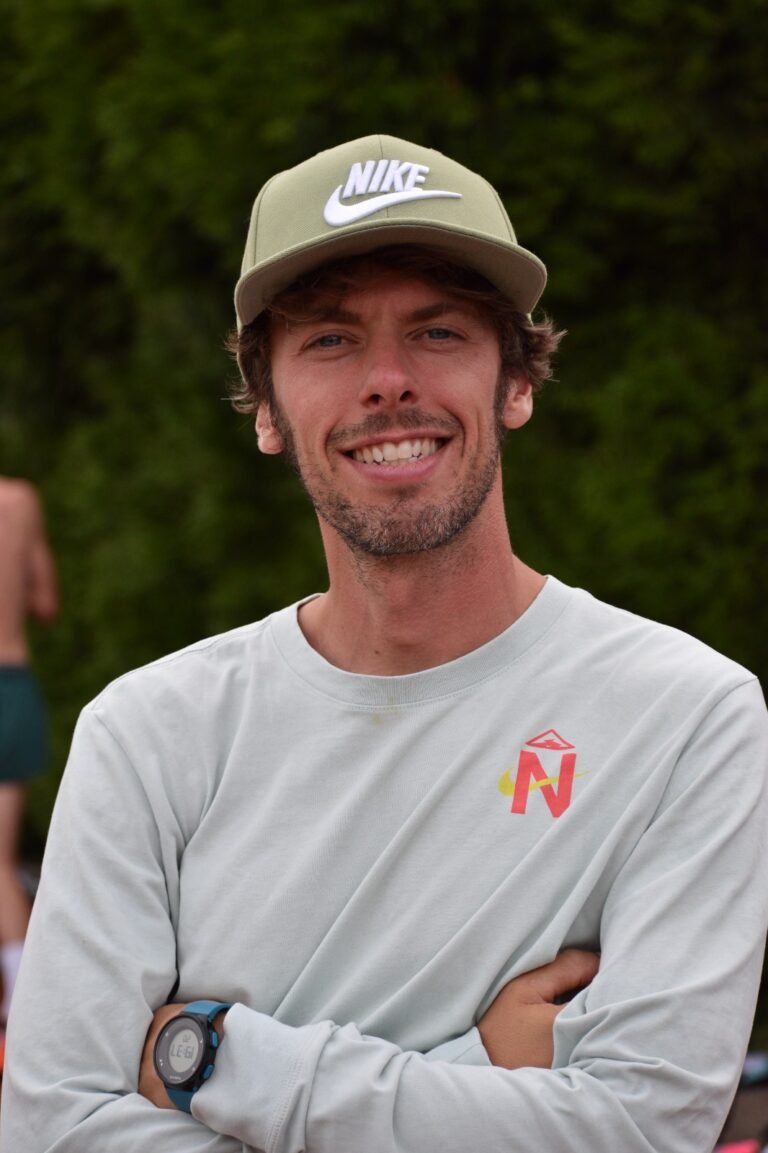
Thomas Vandormae – Teacher and coach of elite athletes in middle-distance and long-distance running

Dry needling is an invasive technique that deactivates myofascial trigger points and releases deep muscle tension. This technique allows for neurophysiological modulation of pain and normalisation of muscle tone.
Tecar therapy promotes vascularisation by increasing microcirculation, and has analgesic and diathermic effects through its bioenergetic action, offering an effective approach to the treatment of musculoskeletal pain.
The combination of the two optimises muscle rehabilitation in terms of both mobility and pain. This synergy leads to faster and longer-lasting results in the treatment of tendinopathies and muscle contractures.

Simon-Baczkiewicz

Simon Baczkiewicz – Physiotherapist and osteopath, specialised in neurodynamics and dry needling

Magnetic Resonance Imaging (MRI) is an imaging technique based on modifications of magnetic fields, allowing the investigation of the human body without exposing it to ionizing radiation. The application of this technology to cardiology enables the early detection of both congenital and acquired pathologies.
In the world of sports — and particularly high-performance sports — cardiac MRI (CMR) must take into account the physiological changes inherent to athletic practice, as well as conditions that may potentially put the athlete at risk during training or competition.
This presentation will outline the key aspects of specific conditions for which CMR provides significant benefits for athletes and their medical and paramedical teams, with the aim of ensuring safe practice under optimal conditions.

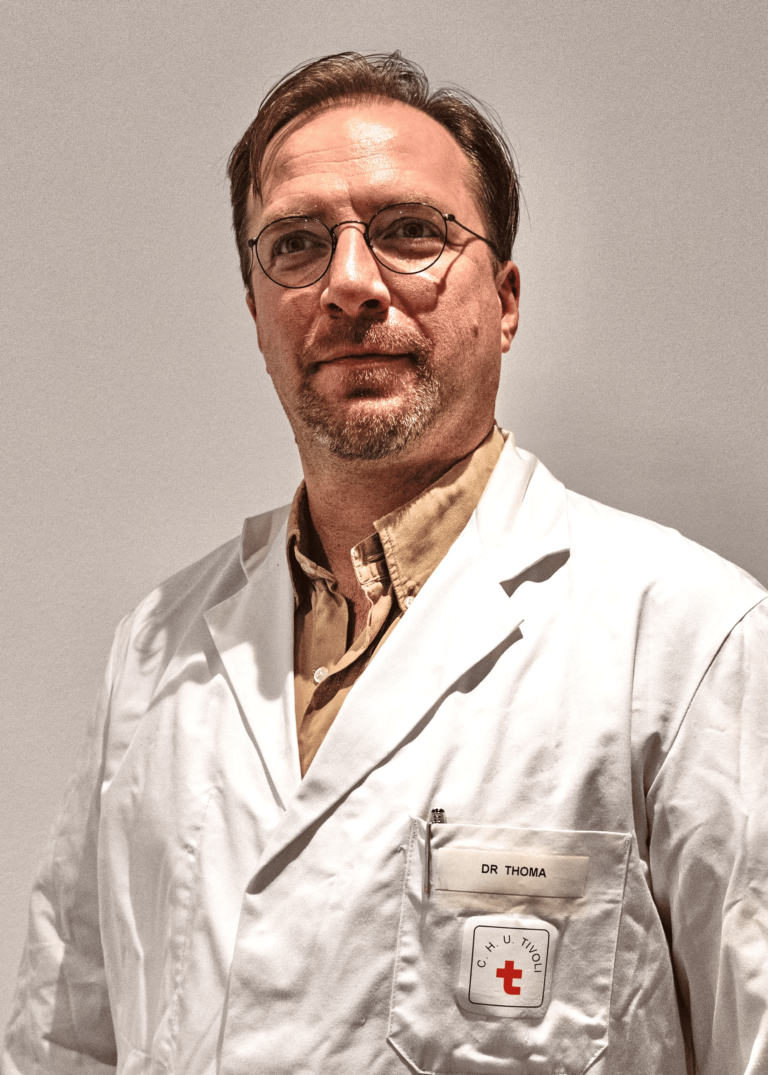
Philippe Thoma

Dr Philippe Thoma – Expert in radiodiagnostics, CHU de Tivoli

PCPTherapy (Deep Continuous Pressure) is an innovative neuro-muscular release technique based on stretch-compression of neuromyofascial structures. It breaks the vicious cycle of contracture and congestion by addressing active and latent trigger points through combined stretch-relaxation and compression-drainage actions.

This global approach enhances mobility, proprioception, and postural alignment—key factors for athletic performance and injury prevention. In elite athletes, PCPTherapy optimizes post-exercise recovery, reduces tendon-muscle tension, and accelerates return after trauma. A randomized study on 20 hockey players showed a 30% increase in muscle performance and improved elasticity after 10 sessions.

Combined with MyoDK and MyoRK medical devices, PCPTherapy marks a major breakthrough in chronic pain management and therapist well-being.

Dr Khorassani David

Dr David Khorassani Zadeh – Osteopathic physician, founder of the PCPTHERAPY method, and inventor of the medical devices MyoDK (Class I) and MyoRK (Class IIa CE0197)

Platelet-rich plasma (PRP) is an autologous blood-derived product obtained by centrifugation, concentrating platelet growth factors and cytokines. It has gained increasing interest in the management of chronic and degenerative musculoskeletal conditions, particularly tendinopathies and osteoarthritis. This lecture will provide an overview of the biological and mechanistic rationale for PRP, preparation protocols, injection techniques and expected outcomes. Evidence-based indications and formal contraindications will be discussed in light of the latest scientific data and international guidelines. Finally, current limitations and future perspectives of PRP will be analyzed to better define its role within a comprehensive musculoskeletal.

Jean-François Kaux

Jean-François Kaux – Specialist in physical medicine, rehabilitation and sports traumatology, Professor at the University of Liège, and Head of Department at CHU Liège

I’m registering

200 spots available

By submitting this form, I agree that my data will be used strictly for the organization of the CARE by BMC conference and processed in accordance with GDPR regulations. RGPD.

I’m registering

200 spots available

Students

100 € HTVA

75 € HTVA

Participants

175 € HTVA

Our conference is hybrid!

Did you know our conference is hybrid? Enjoy the program either on-site or digitally.

Students

75 € HTVA

50 € HTVA

Participants

150 € HTVA

How to get to the conference center?

🚗 By car

Royal Belgian Football Association, Rue de Bruxelles 480, 1480 Tubize

Train (22 min): Brussels Midi – Lembeek

On foot (18 min): From Lembeek station to the Royal Belgian Football Association

40 minutes 🚆

Train (44 min): Brussels Zaventem – Brussels Midi, then Brussels Midi – Lembeek

On foot (18 min): From Lembeek station to the Royal Belgian Football Association

1 hour 🚆

Taxis are available from the different airports (the fare varies depending on distance and traffic). The price of the ride can range from €50 to €150.

Our sponsors

The success of CARE by BMC is built on the trust and commitment of its partners. Together, we are shaping an innovative, inspiring, and purpose-driven ecosystem, dedicated to health, sport, and sustainable performance.

Join us in this unique movement.

Simon Baczkiewicz

Physiotherapist and osteopath, specialised in neurodynamics and dry needling.

Graduated with a master’s degree in physiotherapy from ISEK (Brussels), Simon Baczkiewicz went on to complete a program in manual therapy before undertaking training in osteopathy at the International Academy of Osteopathy (Ghent – Louvain-la-Neuve).

He has enhanced his expertise through several specializations, notably in neurodynamics and dry needling.

A manual therapy instructor for seven years, he has been teaching for the past three years at the

Winback Academy in France and Belgium.

Based in private practice in France, he treats musculoskeletal disorders and provides care for high-level athletes, including marathon runners, Ironman triathletes, and volleyball teams competing in Prénationale and National 2 divisions.

Jacques Borlée

Coach and trainer, creator of the Boost by Borlée programme

Jacques Borlée, born in 1957 in Kisangani, is a major figure in Belgian athletics. A former sprinter, he was seven-time Belgian champion and won a silver medal at the 1983 European Indoor Championships, after competing in the 1980 Moscow Olympic Games.

As a coach, he led his children — Olivia, Kévin, Jonathan, and Dylan — to an exceptional record of 57 international medals, including Olivia’s Olympic gold in 2008. He is also the emblematic coach of the Belgian Tornados, whom he guided to 20 international medals.

Named Belgian and European Coach of the Year in 2011, he is renowned for his visionary approach to sustainable performance. Today, he also works with companies through conferences and training sessions, notably via his “Boost by Borlée” program, which combines well-being, resilience, and performance.

Alexandre Coste

PhD in Human Movement Sciences and Head of Technological Development for MASAK (Mental And Stress Assessment Kit)

Alexandre Coste holds a PhD in Human Movement Sciences and serves as Head of Technology Development for the MASAK (Mental and Stress Assessment Kit), an innovative device designed to assess both physical and mental well-being. His research focuses on the biomechanical, neurophysiological, and cognitive factors that influence performance and health. He is the author or co-author of around ten scientific publications, and has worked on quantifying mental fatigue using eye-tracking and analyzing heart rate variability as biomarkers of mental health.

Dr. Ioan Dunca

Orthopaedic surgeon specialised in shoulder and knee surgery

Dr. Ioan Dunca is a renowned orthopedic surgeon based in Brussels, specializing in shoulder and knee surgery.

A graduate of the Université catholique de Louvain (UCL), he worked for several years as an assistant specialist before becoming head of an orthopedic department in a regional hospital in France. He later joined the Chirec network, at the request of senior colleagues, where he practiced first at the Clinique Parc Léopold and then at the Delta Hospital.

Convinced of the importance of a personalized approach, he founded Clinique 53, a medical center dedicated to locomotor and sports-related conditions, as well as the SOS Shoulder Knee practice, where he provides specialized care for active patients and high-level athletes.

Committed to research and knowledge sharing, he is an active member of several international learned societies (Sofcot, Sorbcot, Sorot, Isakos, Secec, SFA) and regularly contributes to their congresses. He is also responsible for continuing medical education in orthopedics and leads a GLEM group.

Renowned for his attentive listening and surgical precision, Dr. Ioan Dunca always prioritizes the most appropriate therapeutic solution, with a strong focus on rehabilitation and a rapid return to activity.

Christophe Hausswirth

CEO of BeScored, a scientific expertise centre specialising in product validation and the assessment of their benefits, particularly in the fields of sport and health

Professor Christophe Hausswirth, PhD, is the CEO of BeScored, a scientific expertise center dedicated to validating products and assessing their benefits, particularly in sport and health.

He previously served as Director of Research at the French National Institute of Sport, Expertise, and Performance (INSEP), where he spent 20 years and supported French athletes at six Olympic Games. An exercise physiologist since 1995, he has overseen the recovery and nutrition of more than 500 elite athletes.

Currently, Christophe is an Adjunct Professor at the University of Technology Sydney, as well as at the Universities of Nice and Burgundy. His expertise is widely recognized: he has published over 150 peer-reviewed articles, authored 7 books and 32 book chapters, and delivered nearly 180 lectures and seminars worldwide on physiology and training.

His research now focuses on enhancing human performance and overall health, with special emphasis on sleep, nutrition, training load, recovery, and exposure to heat and cold.

With his team, he helps companies design innovative health-prevention strategies and demonstrate the value of their solutions.

After five years of research, he recently developed the MASAK (Mental and Stress Assessment Kit), an innovative tool to assess both physical and mental health. It is set to become a key reference for burnout detection and for supporting individuals under professional stress.

Jean-François Kaux

Specialist in physical medicine, rehabilitation and sports traumatology, Professor at the University of Liège, and Head of Department at CHU Liège

Jean-François Kaux is a specialist in physical medicine, rehabilitation, and sports traumatology, professor at the University of Liège, and head of department at the University Hospital of Liège (Belgium) since 2016. Holder of a PhD in medical sciences focused on improving the treatment of tendinopathies, he has oriented his work around tendon physiology, the use of shockwave therapy, and PRP injections. He is the coordinator of the Sports² unit at the University Hospital of Liège, a multidisciplinary structure labeled FIFA Medical Centre of Excellence, Collaborating Center of Sports Medicine by FIMS, and IOC Research Centre (via REFORM), where he oversees the integrated care of athletes.

He is actively involved in elite sports medicine as physician of the Belgian Olympic and Interfederal Committee, expert for ADEPS, and reference doctor for several sports federations. He has provided medical support at numerous major international competitions, including the Olympic Games with Team Belgium (Tokyo 2020, Paris 2024, and Milano-Cortina 2026, where he will serve as CMO).

Author of more than 300 indexed publications and recipient of several scientific awards, he is an active member of national and international learned societies (ESPRM, IOF, GRIIP, ECSS, ISPRM…) and serves on various editorial boards or as reviewer.

He also maintains an academic role at the University of Liège, where he teaches medical students, physiotherapists, movement science students, and future specialists in physical medicine. He is also a visiting professor at Sorbonne Université.

Dr David Khorassani Zadeh

Osteopathic physician, founder of the PCPTHERAPY method, and inventor of the medical devices MyoDK (Class I) and MyoRK (Class IIa CE0197)

Dr. David Khorassani Zadeh is an M.D, D.O. osteopathic physician, founder of the PCPTHERAPY method, and inventor of the medical devices MyoDK (Class I) and MyoRK (Class IIa CE0197). He graduated from the Pitié-Salpêtrière School of Medicine (Paris VI) and holds postgraduate diplomas in Orthopedic Medicine, Physiotherapy, and Manual Medicine–Osteopathy. He has served as a hospital assistant in Rheumatology, Neurology, Physical and Rehabilitation Medicine, and Sports Traumatology. At the Argenteuil Hospital Center, he established the Functional Unit for Musculoskeletal Disorders, dedicated to the prevention and treatment of MSDs. His expertise is grounded in a comprehensive biomechanical understanding of the musculoskeletal system and focuses on non-invasive approaches to chronic pain and functional disorders. His innovative method aims to restore the functional balance of muscular and joint chains, enhancing motor performance—particularly in the prevention and management of sport-related conditions.

Christophe Otte

Founder of the International Academy of Orthokinesiology and of the OPS Clinic

Christophe Otte is the founder of the Orthokinesy International Academy and the OPS Clinic, where he developed the method of orthokinesy – dynamic posturology (OTTE Method). As a multidisciplinary clinician – physiotherapist, osteopath, orthopedist, and podiatrist – he has, since 2002, designed an integrated approach to human movement based on the dynamic analysis of key postural sensors: feet, TMJ, oculomotor system, and vestibular apparatus.

A pioneer in dynamic postural analysis, he created the OPS protocol (Orthopedics Posture Sport), an innovative assessment that reveals hidden postural imbalances. His method is applied in the treatment of chronic musculoskeletal pain, in sports performance enhancement, and in early postural prevention strategies.

Based in Switzerland, he combines clinical precision, interactive pedagogy, and digital innovation (via the OPS Clinic software) to offer personalized therapeutic care. He is also the holder of several patents related to postural activation and dynamic correction devices. Today, he shares his expertise through advanced training programs for French-speaking and international healthcare professionals.

Dr Philippe Thoma

Expert in radiodiagnostics

Born in the Grand Duchy of Luxembourg in 1976, Dr. Philippe Thoma studied medicine at the Université Libre de Bruxelles (ULB) from 1995 to 2002. He then continued at the same institution with a Master’s degree in Radiodiagnosis, followed by a specialisation in cardiovascular imaging.

He currently practices at the CHU Tivoli in La Louvière as well as at the HUB – Erasme Hospital in Brussels. He also serves as a supervisor for residents in radiodiagnosis within the Medical Imaging Department at CHU Tivoli, affiliated with the ULB.

From 2019 to 2025, he has additionally held the position of Secretary of the Complementary Master in Radiodiagnosis at the ULB Faculty of Medicine.

Thomas Vandormael

Teacher and Elite Coach in (mid) distance events

Thomas Vandormael is a trained Romance philologist and has been a long-distance running coach for around ten years.
He has trained and supported athletes at all levels, from youth categories to the highest international stage, including participation in the Olympic Games, World Championship finals, European medals, and numerous national titles.

Driven by a constant pursuit of performance, he nevertheless grounds his practice in a deeply human and educational approach. True to his values as an educator, knowledge transmission, learning, and the personal growth of his athletes remain at the heart of his commitment.

🎉
Thank you for registering!

You will receive an email in the next few minutes with the information needed to complete your payment.

As places are limited to 200 participants, your registration will be confirmed once your payment has been received.

Any questions?

Write to us at contact@carebybmc.com — we’ll get back to you quickly.